
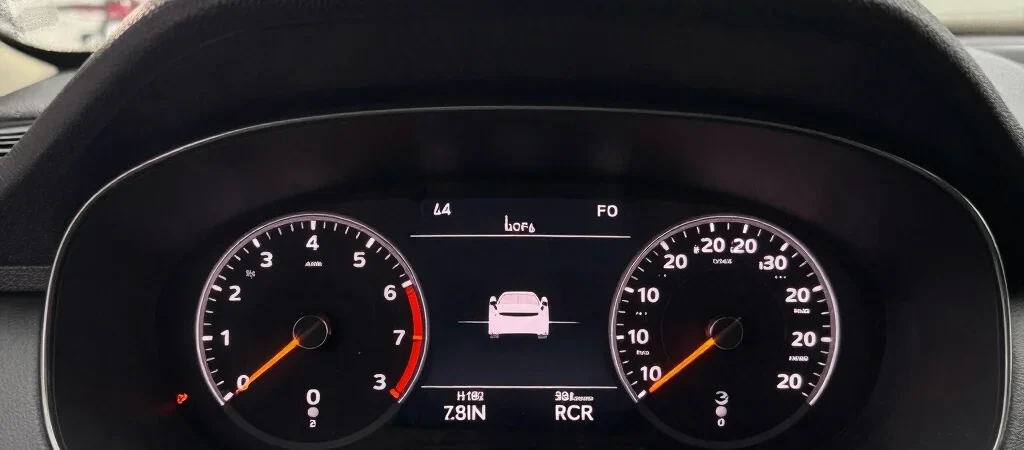
Few things cause instant worry quite like an unexpected amber light popping up on your dashboard during a morning commute. Most drivers immediately assume the worst and picture an expensive engine overhaul. In reality, a check engine light simply means your vehicle computer detected a reading outside normal operating limits.
Steady Lights Versus Flashing Warnings
A solid check engine light indicates a problem that needs attention soon, but it usually allows you to drive safely to a nearby shop. On the other hand, a blinking light signals a severe engine misfire that can damage your catalytic converter. If the icon starts flashing, pull over safely and turn off the engine to prevent costly hardware damage.
Common Culprits Behind the Code
Diagnostic codes cover everything from a loose gas cap to a failing oxygen sensor or worn spark plug. Modern vehicles rely on dozens of sensors to manage fuel efficiency and emissions. When a single sensor wears out, the computer logs a fault code to guide your mechanic directly to the root cause.
What to Do Before You Bring It In
Start by checking that your fuel cap is tightened securely, as a loose fit often triggers an evaporative emissions code. Take note of any unusual noises, vibrations, or changes in fuel mileage to share with your mechanic. Bringing clear observations to your diagnostic appointment helps us pinpoint the issue quickly and accurately.